
Immuno-contraception project
A study for the ethical management of wildlife, without population control culling.
What is it about?
A three-year pilot study will be launched in 2027 in the Canton of Geneva.
The objective is to evaluate the effectiveness of two immunocontraceptive vaccines in reducing births and stabilizing deer and wild boar populations. Depending on the vaccine used, immunization temporarily blocks either the hormonal or biological mechanisms responsible for reproduction in animals, with an effectiveness that may last from one to several years.
The method
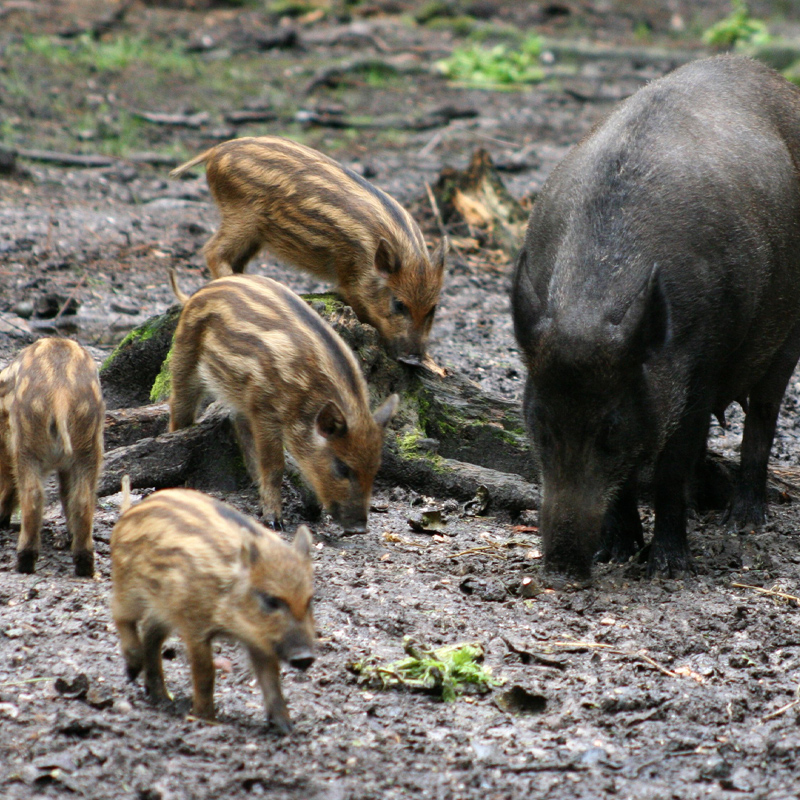
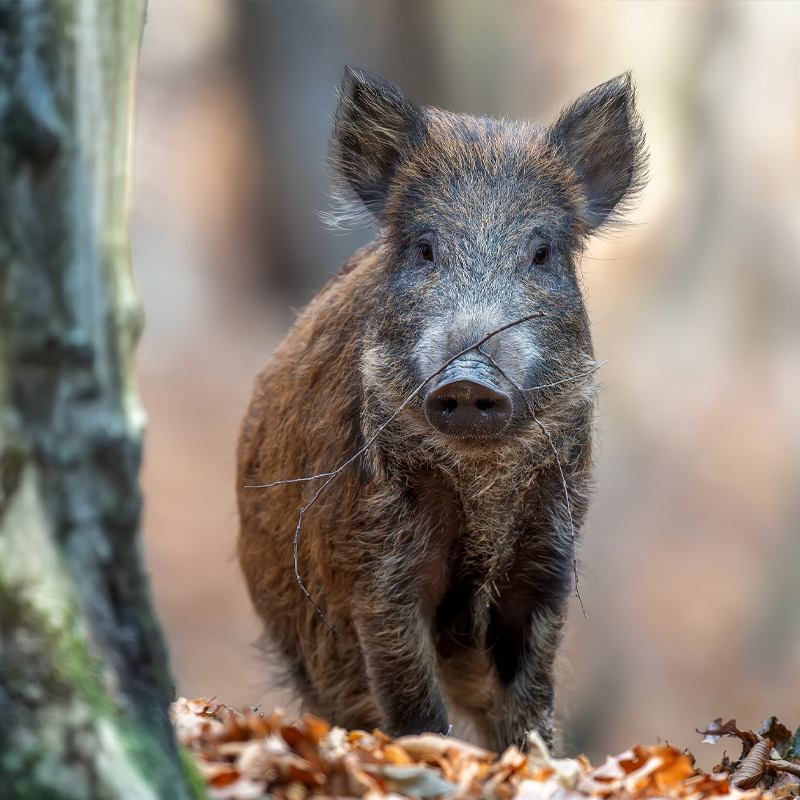
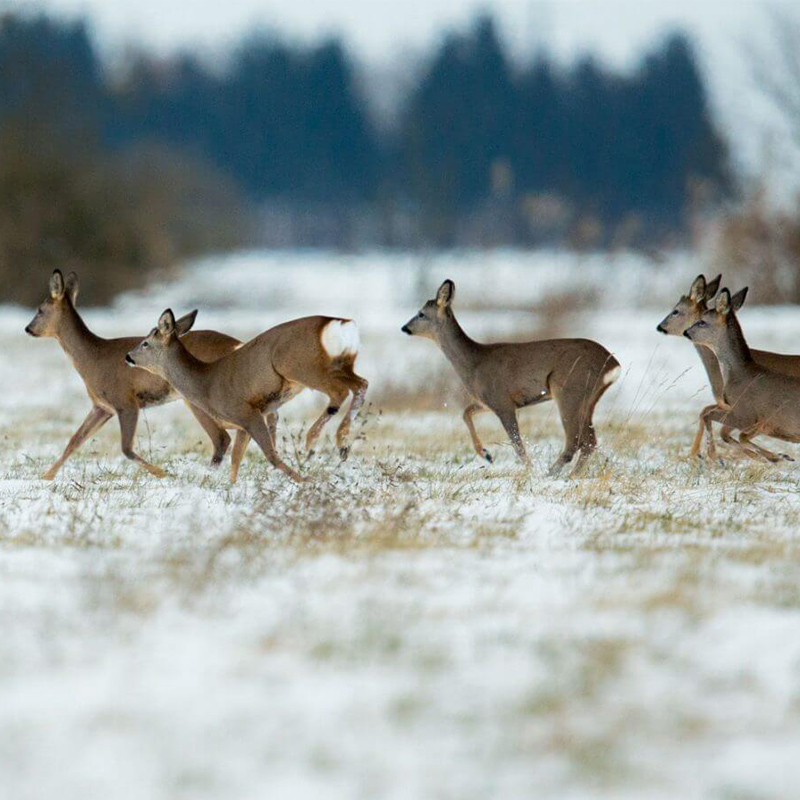
The study will test two immunocontraceptive vaccines, GonaCon and SpayVac, to temporarily block the reproductive mechanisms in animals and thereby temporarily suppress their fertility, with the aim of stabilizing wild boar and deer populations.
The approach
The animals will be captured and anesthetized once in order to fit them with an ear tag for identification and administer the vaccine. Booster immunization may subsequently be carried out remotely using a dart syringe.
The objective
The study aims to confirm the effectiveness of two immunocontraceptive vaccines, as well as the feasibility of their long-term use, as an alternative to the culling currently carried out to reduce populations of wild animals that pose a public safety risk—particularly through road traffic collisions—have a negative impact on biodiversity, or cause damage to crops or forests.
Why Geneva?
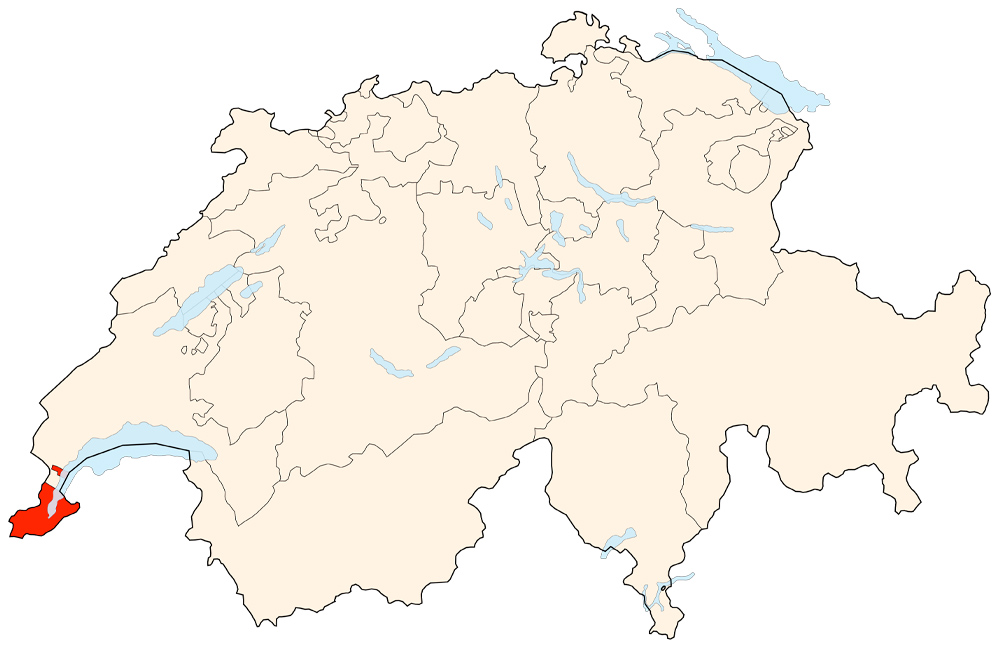
The Canton of Geneva is one of the 26 cantons that make up Switzerland. The Swiss Federal Constitution grants broad autonomy to the cantons.
In 1974, Geneva voters approved by 72% an initiative banning hunting within the canton. Since then, wildlife management has been entrusted to the State of Geneva, and environmental wardens have been authorized to carry out population control culling when animal numbers become excessive or when animals cause damage.
In April 2024, more than 67% of participants in a public survey conducted in the canton supported the implementation of a pilot study to evaluate the effectiveness of immunocontraception for stabilizing wild boar and deer populations as an alternative to culling.
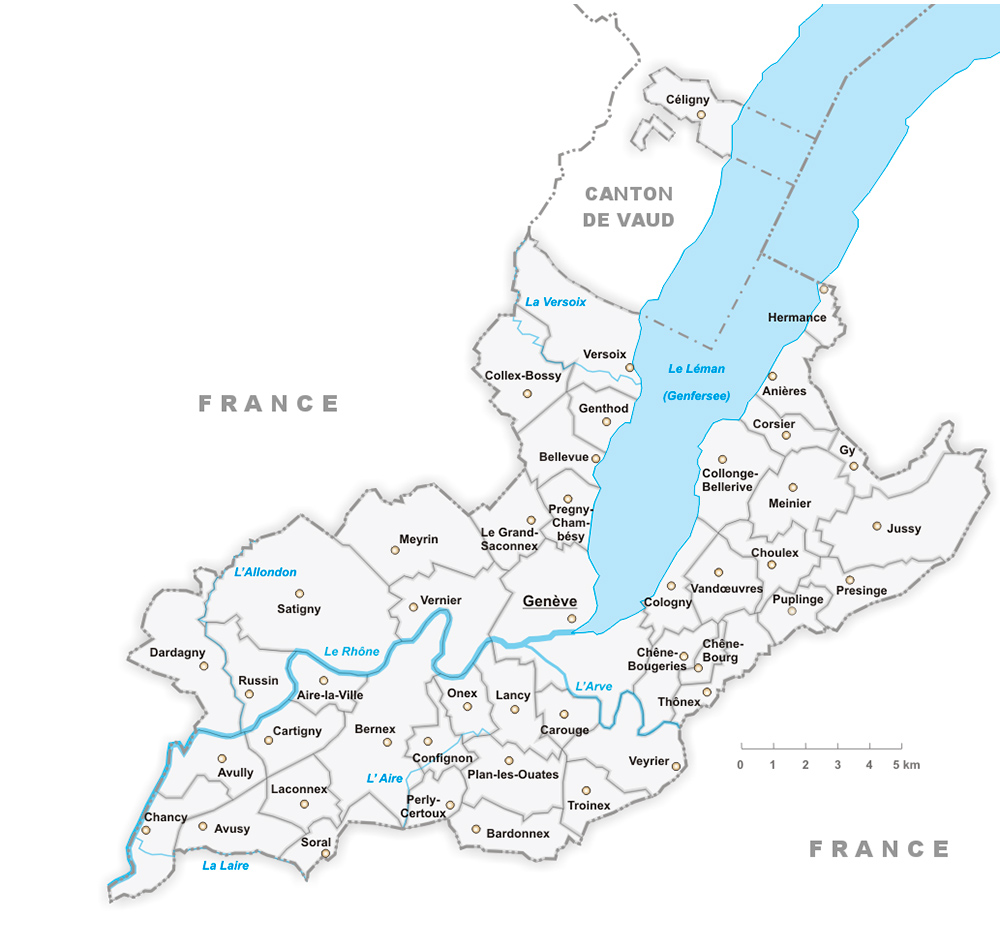
With an area of 282.5 km², including 3,000 hectares of forest, a territory divided by the lake and two major rivers creating clearly defined zones, and strong public support, the Canton of Geneva offers ideal conditions for conducting this pilot study.
If successful, this approach could replace population control culling.

There are, effectively, only two choices for actively managing the size of animal populations: reducing the birth rate and increasing the death rate.

Jay F. Kirkpatrick & Allen T. Rutberg (Fertility Control in Animals, 2001)
The two American scientists Jay F. Kirkpatrick and Allen T. Rutberg are pioneers in the use of immunocontraception as a non-lethal method for managing wildlife populations. Their pioneering work began in the 1980s with the development and use of a porcine zona pellucida (PZP)-based vaccine in wild horses. Allen T. Rutberg is also the author of numerous landmark publications on the scientific foundations and practical applications of fertility control in wildlife.
The Study Team

Tobias Blaha
Doctor of Veterinary Medicine, Bioparc.
Animal anesthesia and vaccine administration

Thibaud Gruber
Associate Professor, PhD
Faculty of Psychology and Educational Sciences, University of Geneva.
Ethics, Animal Behaviour and Animal Welfare

Luc Fournier
Animal Équité Association. Logistics and fundraising
Would you like to support the study or have a question?
Contact us